แพลตฟอร์มการจัดการเรียนรู้โดยใช้วิธีการเรียนรู้ แบบใช้ปัญหาเป็นฐานผสานกับแนวคิดสร้างสรรค์นิยมในรายวิชาสัมมนาแนวโน้มของการแก้ไขปัญหาใน ระบบการศึกษาสำหรับผู้เรียนระดับบัณฑิตศึกษา
คำสำคัญ:
แพลตฟอร์มการจัดการเรียนรู้ , การเรียนรู้แบบปัญหาเป็นฐาน , แนวคิดสร้างสรรค์นิยมบทคัดย่อ
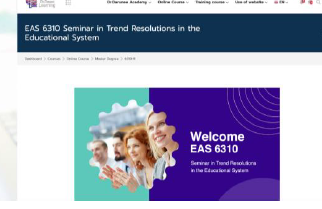
วัตถุประสงค์ของการวิจัยครั้งนี้ 1) เพื่อพัฒนาแพลตฟอร์มการจัดการเรียนรู้โดยใช้วิธีการเรียนรู้แบบใช้ปัญหาเป็นฐานผสานกับแนวคิดสร้างสรรค์นิยมรายวิชาสัมมนาแนวโน้มของการแก้ไขปัญหาในระบบการศึกษาสำหรับผู้เรียนระดับบัณฑิตศึกษา 2) เพื่อทดลองใช้และประเมินคุณภาพการเรียนการสอนของแพลตฟอร์มที่พัฒนาขึ้น และ 3) เพื่อศึกษาความพึงพอใจของนักศึกษาที่มีต่อแพลตฟอร์มที่พัฒนาขึ้น กลุ่มตัวอย่าง ได้แก่ นักศึกษาหลักสูตรศึกษาศาสตรมหาบัณฑิต ภาคเรียนที่ 1 ปีการศึกษา 2567 จำนวน 45 คน โดยใช้การสุ่มตัวอย่างอย่างง่าย และผู้เชี่ยวชาญด้านนวัตกรรมและเทคโนโลยีทางการศึกษา จำนวน 10 คน โดยใช้การเลือกแบบเจาะจงตามคุณสมบัติที่กำหนด เครื่องมือที่ใช้ในการวิจัย ได้แก่ แบบสอบถาม แบบสัมภาษณ์ และแบบสนทนากลุ่ม ผลการวิจัยพบว่า 1) แพลตฟอร์มที่พัฒนาขึ้นมีกระบวนการออกแบบและสร้างตามหลักการจัดการเรียนรู้โดยใช้วิธีการเรียนรู้แบบใช้ปัญหาเป็นฐานผสานกับแนวคิดสร้างสรรค์นิยมโดยมีรูปแบบการประเมินคุณภาพที่เหมาะสมสำหรับนำไปใช้สำหรับการจัดการเรียนการสอนในระดับบัณฑิตศึกษา 2) แพลตฟอร์มที่พัฒนาขึ้นมีโครงสร้างที่ประกอบด้วยเว็บไซต์ ฐานข้อมูลทีมอาจารย์ผู้สอนและนักศึกษา บันทึกความรู้ แบบประเมินความรู้ กระดานสนทนาเชิงรุก คลังความรู้ โจทย์ปัญหาและวิธีการแก้ไข ดาวน์โหลดเอกสาร กรณีศึกษา และภาพกิจกรรมต่าง ๆ จากการทดลองใช้แพลตฟอร์มปรากฏผลการประเมินคุณภาพโดยผู้เชี่ยวชาญอยู่ในระดับมาก และ 3) นักศึกษามีความพึงพอใจต่อการใช้งานแพลตฟอร์มที่พัฒนาขึ้นอยู่ในระดับมากที่สุด โดยเห็นว่าสามารถสนับสนุนการจัดการเรียนรู้ในรายวิชาและเป็นช่องทางที่ท้าทายสำหรับการพัฒนาทักษะและสมรรถนะการเรียนรู้ด้านการบริหารการศึกษาจากปัญหาและกรณีศึกษาในรายวิชาควบคู่ไปกับเทคโนโลยีการศึกษาดิจิทัลที่ทันสมัย
เอกสารอ้างอิง
Adele, B., Ellinger, A.D., McWhorter, R.R., & Egan, T.M. (2023). Exploring learning outcomes for managers who coach. European Journal of Training and Development, 47(5/6), 635-652.
Adnan, M., & Anwar, K. (2020). Online learning amid the COVID-19 pandemic: Students’ perspectives. Online Submission, 2(1), 45-51.
Ali, S. S. (2019). Problem based learning: A student-centered approach. English Language Teaching, 12(5), 73-78.
Bell, R., & Liu, P. (2019). Educator challenges in the development and delivery of constructivist active and experiential entrepreneurship classrooms in Chinese vocational higher education. Journal of Small Business and Enterprise Development, 26(2), 209-227.
Bertel, L. B., Winther, M., Routhe, H. W., & Kolmos, A. (2022). Framing and facilitating complex problem-solving competences in interdisciplinary megaprojects: An institutional strategy to educate for sustainable development. International Journal of Sustainability in Higher Education, 23(5), 1173-1191.
Chapman, C., & Bell, I. (2020). Building back better education systems: Equity and COVID-19. Journal of Professional Capital and Community, 5(3/4), 227-236.
Dziubaniuk, O., & Nyholm, M. (2021). Constructivist approach in teaching sustainability and business ethics: A case study. International Journal of Sustainability in Higher Education, 22(1), 177-197.
Garbin, F. G. d. B., Ten Caten, C. S., & Jesus Pacheco, D. A. de. (2022). A capability maturity model for assessment of active learning in higher education. Journal of Applied Research in Higher Education, 14(1), 295-316.
Gioiosa, M. E., & Kinkela, K. (2022). Assessing the outcomes of an active learning exercise. Journal of Applied Research in Higher Education, 14(4), 1496-1508.
Hamdan, K. M., Al-Bashaireh, A. M., Zahran, Z., Al-Daghestani, A., AL-Habashneh, S., & Shaheen, A.M. (2021). University students’ interaction, Internet self-efficacy, Self-regulation and satisfaction with online education during pandemic crises of COVID-19 (SARS-CoV-2). International Journal of Educational Management, 35(3), 713-725.
Huang, X., & Lai, C. (2020). Connecting formal and informal workplace learning with teacher proactivity: A proactive motivation perspective. Journal of Workplace Learning, 32(6), 437-456.
Kant, N., Prasad, K. D., & Anjali, K. (2021). Selecting an appropriate learning management system in open and distance learning: A strategic approach. Asian Association of Open Universities Journal, 16(1), 79-97.
O'Brien, E., McCarthy, J., Hamburg, I., & Delaney, Y. (2019). Problem-Based Learning in the Irish SME Workplace. Journal of Workplace Learning, 31(6), 391-407.
Okolie, U. C., Elom, E. N., Igwe, P. A., Binuomote, M. O., Nwajiuba, C. A., & Igu, N. C. N. (2021). Improving graduate outcomes: Implementation of Problem-Based Learning in TVET systems of nigerian higher education. Higher Education, Skills and Work-Based Learning, 11(1), 92-110.
Parramore, S. (2019). Online Active-Learning: Information literacy instruction for graduate students. Reference Services Review, 47(4), 476-486.
Phakamach, P. (2023). Educational innovation: Elements and mechanisms for the development of Thai educational institutions towards internationalization. Journal of Education and Innovative Learning, 3(2), 161-180.
Phakamach, P., Senarith, P., & Wachirawongpaisarn, S. (2022). The metaverse in education: the future of immersive teaching & learning. RICE Journal of Creative Entrepreneurship and Management, 3(2), 75-88.
Phakamach, P., Wachirawongpaisarn, S., & Panjarattanakorn, D. (2021). Development of active learning management platform using constructivism on the topic of ICT system and innovation for educational administration at graduation level. Journal of Education and Innovative Learning, 1(3), 219-237.
Silva, A. B. D., Bispo, A. C. K. d. A., Rodriguez, D. G., & Vasquez, F. I. F. (2018). Problem-Based Learning: A proposal for structuring PBL and its implications for learning among students in an undergraduate management degree program. Revista de Gestão, 25(2), 160-177.
Song, B. L., Lee, K. L., Liew, C. Y., Ho, R. C., & Lin, W. L. (2022). Business students’ perspectives on case method coaching for Problem-Based Learning: Impacts on student engagement and learning performance in higher education. Education + Training, 64(3), 416-432.
Wang, X., Lin, W., Jiang, Y., Wu, Y., Liu, Y., & Zhou, W.-Q. (2021). Active learning and instructor accessibility in online talent training: A field experiment in China during COVID-19. Development and Learning in Organizations, 36(1), 14-16.
Xin, Y., Zuo, X., & Huang, Q. (2018). Research on the construction of seamless learning platform based on open education. Asian Association of Open Universities Journal, 13(1), 88-99.
ดาวน์โหลด
เผยแพร่แล้ว
รูปแบบการอ้างอิง
ฉบับ
ประเภทบทความ
สัญญาอนุญาต
ลิขสิทธิ์ (c) 2024 มหาวิทยาลัยพะเยา

อนุญาตภายใต้เงื่อนไข Creative Commons Attribution-NonCommercial-NoDerivatives 4.0 International License.
Authors are responsible for the content of their manuscripts. The University of Phayao does not necessarily endorse or agree with the views expressed in published articles. Interested parties may reproduce or use the content; however, they must obtain prior written permission from the copyright holder and provide proper citation and acknowledgment.