Participation Model of the Elderly in Reviving the Mangkala Tradition and Preserving the Local Cultural Heritage of the Lower Northern Region Amidst the Modern Trend
Keywords:
Elderly participation, Rehabilitation, Amulets, Cultural heritageAbstract
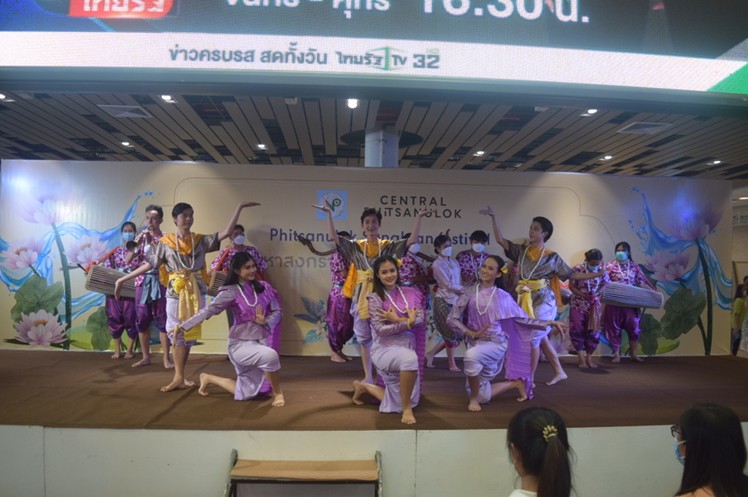
This article aims to study the participation patterns of the elderly in the conservation and revival of the Mangkala tradition in the context of social and cultural changes in the lower northern region in order to promote the sustainability of the local cultural heritage of the lower northern region in the modern era. The research used qualitative research. The research sample consists of 20 elderly people in the Mangkala Folk Music Conservation Club, Phitsanulok Province. Using in-depth interview techniques and focus group discussions, the content analysis of the data was used. The research results found that the Mangkala Folk Music Conservation Club, Phitsanulok Province, is an important group. The elderly in the group pass on various knowledge, including musical playing skills, beliefs in the rituals of the performance, and roles in serving society in various ceremonies. As for the transition of the era, it has received attention from government agencies and educational institutions, so Mangkala has been passed on and become well-known again. In addition, Mangkala has been revived in modern areas, such as shopping malls, cultural exhibitions, and educational institutions that give importance to the youth, giving them the opportunity to learn and practice in order to continue the life of Mangkala and spread it further.
References
ฉลาดชาย รมิตานนท์. (2550). แนวคิดในการศึกษาอัตลักษณ์ความเป็นไท. กรุงเทพฯ: มหาวิทยาลัยเทคโนโลยีพระจอมเกล้าธนบุรี.
ผ่องพันธุ์ มณีรัตน์. (2521). การเปลี่ยนแปลงทางสังคมและวัฒนธรรม. กรุงเทพฯ: มหาวิทยาลัยธรรมศาสตร์.
ยุพาพร รูปงาม. (2545). การมีส่วนร่วมของข้าราชการสำนักงบประมาณในการปฏิรูประบบราชการ. กรุงเทพฯ: สถาบันบัณฑิตพัฒนบริหารศาสตร์.
รุ้งนภา ยรรยงเกษมสุข. (2556). ทฤษฎีปฏิสัมพันธ์เชิงสัญลักษณ์กับการอธิบายปรากฏการณ์สังคมจากมุมมองตัวแสดง. วารสารการเมือง การบริหาร และกฎหมาย, 5(2), 69-89.
ยอร์ช เซเดส์. (2526). จารึกสมัยสุโขทัย. กรุงเทพฯ: กรมศิลปากร.
ยศ สันตสมบัติ. (2544). มนุษย์กับวัฒนธรรม. กรุงเทพฯ: สำนักพิมพ์มหาวิทยาลัยธรรมศาสตร์.
สุริชัย หวันแก้ว. (2553). การเปลี่ยนแปลงทางสังคมและวัฒนธรรม (พิมพ์ครั้งที่ 12). กรุงเทพ: จุฬาลงกรณ์มหาวิทยาลัย.
สุจรรยา โชติช่วง. (2554). การศึกษาสภาพการพัฒนาอัตลักษณ์และเอกลักษณ์ของสถานศึกษา สังกัดสำนักงานเขตพื้นที่การศึกษาประถมศึกษาพิษณุโลก เขต 1. (การศึกษาค้นคว้าด้วยตนเอง หลักสูตรการศึกษามหาบัณฑิต สาขาวิชาการบริหารการศึกษา). พิษณุโลก: มหาวิทยาลัยนเรศวร.
อภิญญา เฟื่องฟูสกุล. (2546). อัตลักษณ์: การทบทวนทฤษฎีและกรอบแนวคิด. กรุงเทพฯ: คณะกรรมการสภาวิจัยแห่งชาติ.
Bourdieu, P. (1986). ‘The Forms of Capital’. Handbook of Theory and Research for the Sociology of Capital. J. G. Richardson. New York: Greenwood Press, 241-58.
Braun, V. and Clarke, V. (2006). Using Thematic Analysis in Psychology. Qualitative Research in Psychology, 3(2), 77-101.
King, N., Horrocks, C. and Brooks, J. (2019). Interviews in Qualitative Research (2nd ed). London: Sage.
Downloads
Published
How to Cite
Issue
Section
License
Copyright (c) 2025 Phayao University

This work is licensed under a Creative Commons Attribution-NonCommercial-NoDerivatives 4.0 International License.
Authors are responsible for the content of their manuscripts. The University of Phayao does not necessarily endorse or agree with the views expressed in published articles. Interested parties may reproduce or use the content; however, they must obtain prior written permission from the copyright holder and provide proper citation and acknowledgment.