
A NEEDS ASSESSMENT TOWARD PHYSICAL EDUCATION LEARNING MANAGEMENT IN MULTICULTURAL SOCIETY FOR PRIMARY SCHOOL TEACHERS, YALA PROVINCE
Article Sidebar
Main Article Content
Abstract
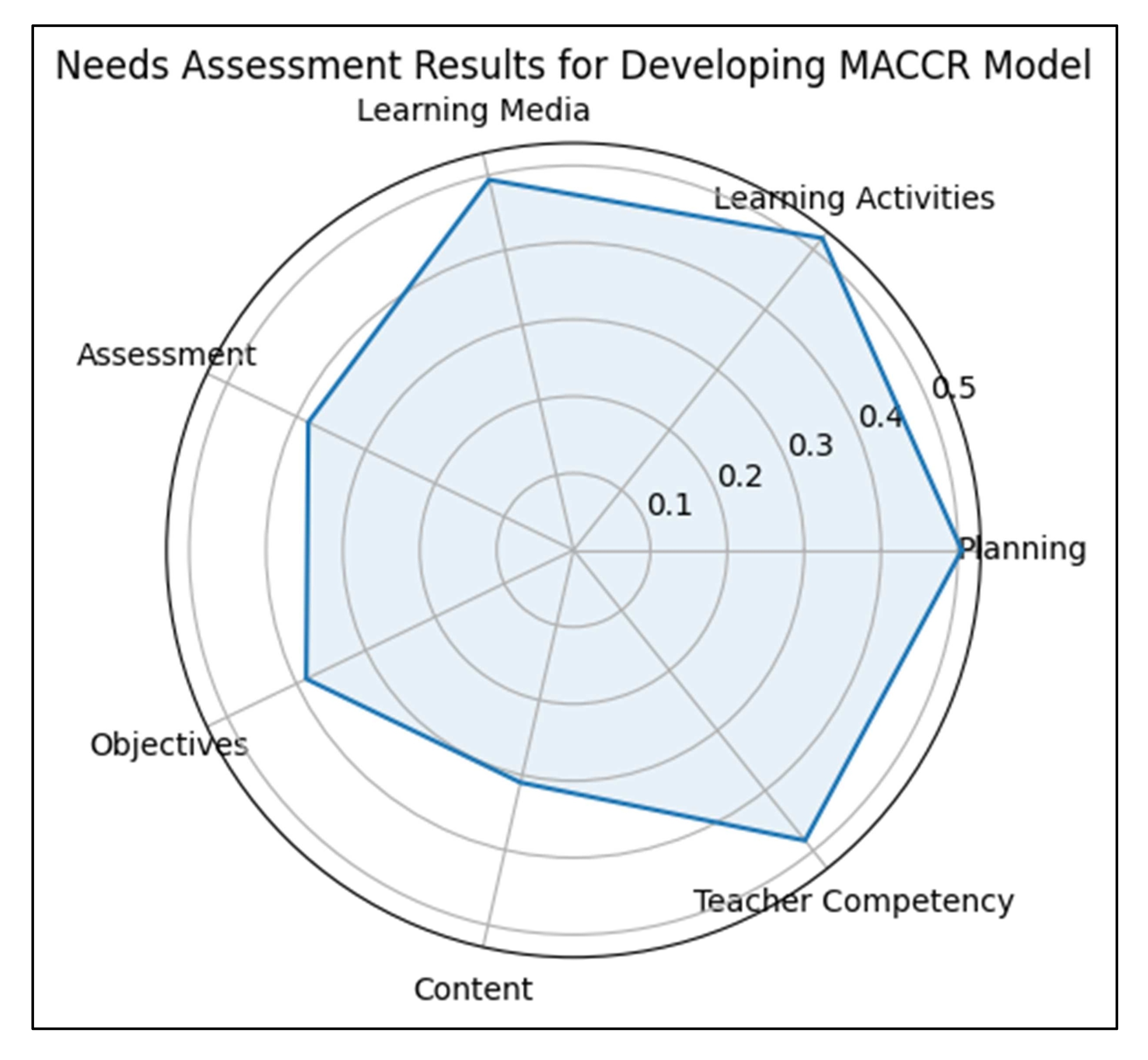
This research aimed to analyze the needs for physical education (PE) learning management in a multicultural society among primary school teachers in Yala Province. This research employed a mixed-methods approach using a sequential survey design. The sample consisted of 165 primary school teachers responsible for physical education or health and physical education activities in Yala Province, along with ten key informants who participated in in-depth interviews. The research instruments included a questionnaire and a semi-structured interview form. Quantitative data were analyzed using mean, standard deviation, and the Modified Priority Needs Index (PNIModified), while qualitative data were analyzed through analytic induction. The findings revealed that the current state (I) was at a moderate level (2.99–3.434), whereas the desired state (D) was at a high level (4.305–4.826), indicating a significant developmental gap. The highest PNIModified value was found in learning activity management (0.519), followed by instructional planning (0.505) and instructional media utilization (0.494), while content had the lowest priority (0.310). These findings indicated that teachers prioritized improvements in instructional processes over content revision. Qualitative findings further demonstrated that PE teachers in Yala Province possessed strong awareness and understanding of cultural diversity and recognized the importance of participatory learning approaches to enhance students’ well-being. Teachers expressed a need to further develop their competencies in cultural knowledge, inclusive teaching skills, and technology integration. The qualitative and quantitative findings were highly consistent in terms of key issues and priority levels, emphasizing the necessity of systematic professional development to support culturally responsive and participatory PE learning management.
Downloads
Article Details
References
กระทรวงศึกษาธิการ. (2551). หลักสูตรแกนกลางการศึกษาขั้นพื้นฐาน พุทธศักราช 2551. กระทรวงศึกษาธิการ.
Banks, J. A. (2020). An Introduction to Multicultural Education. 6th edition. Pearson.
Choudhary, S. (2025). Culturally Responsive Teaching in Physical Education. Journal of Physical Education and Multicultural Studies, 12(1), 45 - 60.
Cochran-Smith, M., Villegas, A. M., Abrams, L., Chavez-Moreno, L., Mills, T. & Stern, R. (2016). Research on Teacher Preparation: Charting the Landscape of a Sprawling Field. Journal of Teacher Education, 67(4), 247 – 260.
Darling-Hammond, L., Hyler, M. E. & Gardner, M. (2017). Effective Teacher Professional Development. Learning Policy Institute. doi: https://doi.org/10.54300/122.311
García-Castejón, G., Camerino, O., Anguera, M. T. & Castañer, M. (2022). Effects of an Intercultural Education Course on Pre-service Physical Education Teachers. European Physical Education Review, 28(3), 789 – 805.
Gay, G. (2018). Culturally Responsive Teaching: Theory, Research, and Practice. 3rd edition. Teachers College Press.
International Health Policy Program. (2021). Physical Activity Situation of Thai Children and Youth. International Health Policy Program (IHPP).
World Health Organization. (2010). Global Recommendations on Physical Activity for Health. World Health Organization (WHO).
Zhang, C. (2024). Inclusive Physical Education Curriculum in Multicultural Contexts. Asia-Pacific Journal of Health, Sport and Physical Education, 15(2), 134 – 150.
