รูปแบบการจัดการความรู้การเทศน์มหาชาติ
Article Sidebar
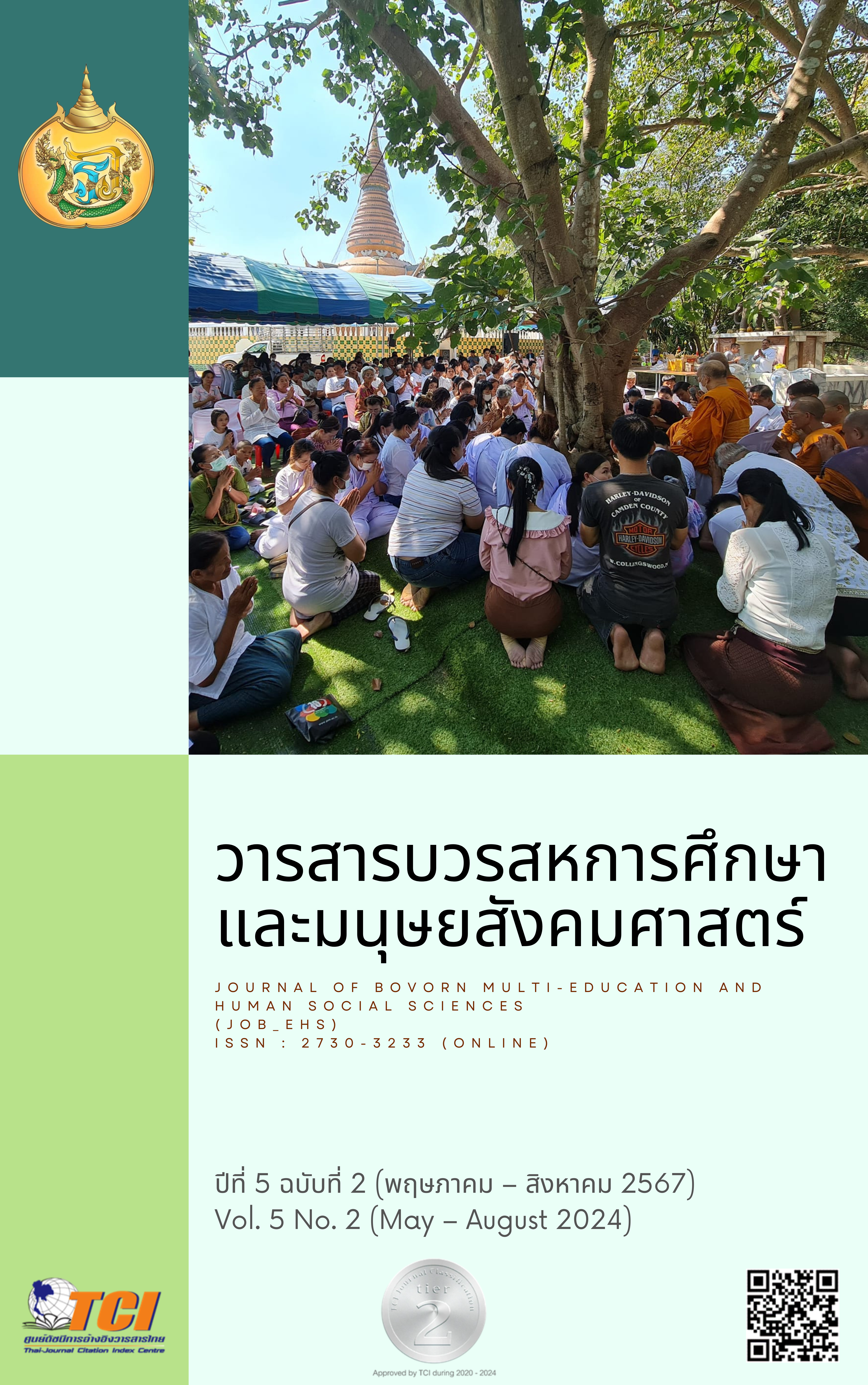
Main Article Content
บทคัดย่อ
บทความวิจัยนี้มีวัตถุประสงค์ คือ 1) เพื่อศึกษาองค์ประกอบการจัดการความรู้การเทศน์มหาชาติ2) เพื่อพัฒนารูปแบบการจัดการความรู้การเทศน์มหาชาติ 3) เพื่อประเมินรูปแบบการจัดการความรู้การเทศน์มหาชาติ เป็นการวิจัยแบบผสมผสานวิธี การวิจัยเชิงปริมาณใช้แบบสอบถามกลุ่มตัวอย่าง จำนวน 175 คน การวิจัยเชิงคุณภาพทำการสัมภาษณ์ผู้ให้ข้อมูลสำคัญ การจัดสนทนากลุ่มผู้ทรงคุณวุฒิ มีเครื่องมือในการวิจัยคือแบบสอบถาม แบบสัมภาษณ์ และแบบการสนทนากลุ่ม และทำการวิเคราะห์ข้อมูลด้วยสถิติพื้นฐานคือค่าความถี่ ร้อยละ ค่าเฉลี่ย ส่วนเบี่ยงเบนมาตรฐาน และการวิเคราะห์เนื้อหา ผลการวิจัยพบว่า 1) ผลการศึกษาองค์ประกอบการจัดการความรู้การเทศน์มหาชาติ พบว่ามีความคิดเห็นในภาพรวมและรายด้านอยู่ในระดับมาก โดยเรียงลำดับจากมากไปน้อย คือ การจัดเก็บความรู้ การเรียนรู้ การแสวงหาความรู้ การแลกเปลี่ยนความรู้ การกำหนดความรู้ ตามลำดับ 2) รูปแบบการจัดการความรู้การเทศน์มหาชาติ ประกอบด้วยหลักการ แนวคิดการจัดการความรู้ วัตถุประสงค์ เนื้อหา ขั้นตอน และผลลัพธ์ที่คาดหวัง และ 3) การประเมินรูปแบบการจัดการความรู้การเทศน์มหาชาติ พบว่า ความเหมาะสม ความเป็นไปได้ และความเป็นประโยชน์ในภาพรวมอยู่ในระดับมาก สรุปองค์ความรู้การวิจัย คือ DM
Article Details

อนุญาตภายใต้เงื่อนไข Creative Commons Attribution-NonCommercial-NoDerivatives 4.0 International License.
บทความที่ส่งมาขอรับการตีพิมพ์ในวารสารบวรสหการศึกษาและมนุษยสังคมศาสตร์ จะต้องไม่เคยตีพิมพ์หรืออยู่ระหว่างการพิจารณาจากผู้ทรงคุณวุฒิเพื่อตีพิมพ์ในวารสารอื่น รวมทั้งผู้เขียนจะต้องคำนึงถึงจริยธรรมการวิจัย ไม่ละเมิดหรือคัดลอกผลงานของผู้อื่นมาเป็นของตนเอง ซึ่งทางวารสารฯ ได้กำหนดความซ้ำของผลงาน ด้วยโปรแกรม CopyCat เว็บ Thaijo ในระดับ ไม่เกิน 25%
ในกรณีที่ บทความวิจัยมีกระบวนการวิจัยเกี่ยวข้องกับมนุษย์ ผู้นิพนธ์จะต้องส่งหลักฐานการรับรองจริยธรรมการวิจัยในมนุษย์มาประกอบการลงตีพิมพ์ด้วยจึงจะได้รับการพิจารณาลงตีพิมพ์ในวารสาร
ผู้เขียนบทความจะต้องปฏิบัติตามหลักเกณฑ์การเสนอบทความเพื่อตีพิมพ์ในวารสารบวรสหการศึกษาและมนุษยสังคมศาสตร์ รวมทั้งระบบการอ้างอิงต้องเป็นไปตามหลักเกณฑ์ของวารสารบวรสหการศึกษาและมนุษยสังคมศาสตร์ โดยรวมทั้งทัศนะและความคิดเห็นที่ปรากฏในบทความในวารสารบวรสหการศึกษาและมนุษยสังคมศาสตร์ ถือเป็นความรับผิดชอบของผู้เขียนบทความนั้น และไม่ถือเป็นทัศนะและความรับผิดชอบของกองบรรณาธิการวารสารบวรสหการศึกษาและมนุษยสังคมศาสตร์และวารสารบวรสหการศึกษาและมนุษยสังคมศาสตร์
เอกสารอ้างอิง
เตือนใจ รักษาพงศ์. (2551). การพัฒนารูปแบบการจัดการความรู้เพื่อการบริหารงานวิชาการของ สถานศึกษาขั้นพื้นฐานด้วยกระบวนการวิจัยเชิงปฏิบัติการแบบมีส่วนร่วม. ดุษฎีนิพนธ์ศึกษาศาสตรดุษฎีบัณฑิต. มหาวิทยาลัยบูรพา.
ธิติพล กันตีวงศ์. (2545). ทำนองเทศน์มหาชาติ กัณฑ์มัทรี ในประเพณีตั้งธัมม์หลวง จังหวัดเชียงใหม่.วิทยานิพนธ์ครุศาสตรมหาบัณฑิต. มหาวิทยาลัยมหิดล.
พรพิมล หรรษาภิรมย์โชค. (2554). การศึกษาสภาพการจัดการความรู้ของโรงเรียนสังกัดสำนักงานเขตพื้นที่การศึกษาในเขตภูมิภาคตะวันตก. รายงานวิจัย. มหาวิทยาลัยเกษตรศาสตร์ วิทยาเขตกําแพงแสน.
พระครูวินัยธร มานพ ปาละพันธ์. (2552). รูปแบบการสืบสานและการพัฒนาทำนองแหล่เทศน์มหาชาติภาคกลาง. ดุษฎีนิพนธ์ปรัชญาดุษฎีบัณฑิต. มหาวิทยาลัยมหาสารคาม.
มหาจุฬาลงกรณราชวิทยาลัย. (2539). พระไตรปิฎกฉบับภาษาไทย ฉบับมหาจุฬาลงกรณราชวิทยาลัย. กรุงเทพมหานคร: โรงพิมพ์มหาจุฬาลงกรณราชวิทยาลัย.
มาลี สืบกระแส. (2552). การพัฒนารูปแบบองค์การแห่งการเรียนรู้ของสำนักงานเขตพื้นที่การศึกษา. ดุษฎีนิพนธ์ปรัชญาดุษฎีบัณฑิต. มหาวิทยาลัยสยาม.
โรงเรียนบดินทรเดชา (สิงห์ สิงหเสนี). (2566). ข้อมูลโรงเรียนบดินทรเดชา (สิงห์ สิงหเสนี). แหล่งที่มา https://www.bodin.ac.th/ สืบค้นเมื่อ 10 ส.ค. 2566.
สมเด็จพระเทพรัตนราชสุดาฯ สยามบรมราชกุมารี. (2524). ทศบารมีในพุทธศาสนาเถรวาท. วิทยานิพนธ์อักษรศาสตรมหาบัณฑิต. จุฬาลงกรณ์มหาวิทยาลัย.
Inkpen. (1996). Creating Knowledge through collaboration. California Management Review. New York: Authur P. Brief.
Keeves, Peter J. (1988). Model and Model Building: Educational Research Methodology and Measurenment : An Intermational Handbook. Oxford: Pergamon Press.
Krejcie, R. V. & Morgan, D. W. (1970). Determining sample size for research activities. Educational and Psychological Measurement. 30(3). 607–610.
